Beyond Vinyl: Unexpected Materials Your Cricut Can Cut That'll Seriously Expand Your Product Line
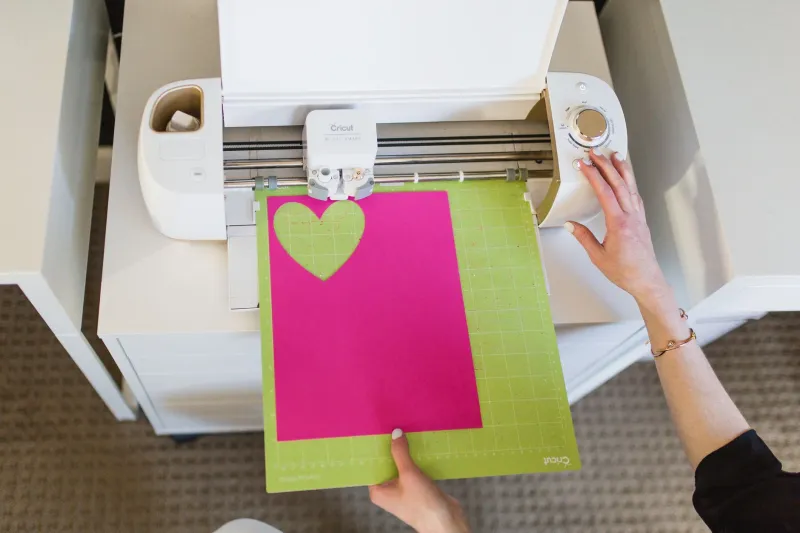
If you've been making Cricut projects for any length of time, you probably have your go-to materials dialed in. Adhesive vinyl for tumblers. Iron-on for shirts. Cardstock for cards and boxes. These are the workhorses of the Cricut world, and for good reason—they're reliable, widely available, and well-documented.
But here's the thing about workhorses: everyone else is riding them too.
In a market where Etsy is saturated with vinyl decals and HTV designs, the makers who stand out are often the ones who've gone off-script with their material choices. And the good news? Your Cricut is probably more capable than you've given it credit for.
Cork: The Material That Punches Way Above Its Weight
Cork sheet is one of those materials that surprises almost everyone the first time they run it through a Cricut. It cuts cleanly, it's flexible enough to work with, and the finished products look genuinely high-end in a way that vinyl rarely achieves.
Thin cork sheets (typically 1/16" to 1/8" thick) cut well on a Cricut Maker using the Knife Blade or a deep-cut blade, depending on the thickness. For the Explore series, stick to the thinner cork options.
What can you make? The list is longer than you'd think. Custom cork coasters are a perennial bestseller at craft fairs and on Etsy. Cork earrings have had a serious moment in the handmade jewelry space—they're lightweight, they don't irritate sensitive ears, and they photograph beautifully. Cork keychains, luggage tags, and ornaments are all solid options too.
Sourcing tip: Amazon and specialty craft suppliers carry adhesive-backed cork sheets, but for better pricing in bulk, check out paper and packaging suppliers like Paper Mart or even restaurant supply stores that carry cork trivets.
Craft Foam: Underestimated and Incredibly Versatile
Craft foam (EVA foam) is another material that gets dismissed as a kids' craft supply but is actually remarkably useful for adult makers. It cuts cleanly on most Cricut machines, it comes in a huge range of colors and thicknesses, and it's cheap enough that testing new designs doesn't feel risky.
The interesting applications are in 3D and dimensional projects. Foam can be layered to create raised designs on shadow boxes or framed art. It works beautifully for custom stamps—cut a design into foam, mount it on a wood block, and you've got a handmade stamp that can be sold or used to create printed products. Foam is also popular for cosplay props and themed party decorations, which is a niche with real spending power.
Thicker foam (3mm and above) cuts best on the Maker with the Knife Blade. Thinner foam (1mm to 2mm) works fine on the Explore series with a fine-point blade.
Specialty Vinyls Most Tutorials Never Mention
Everyone knows about matte and glossy adhesive vinyl. Fewer people are working with the more interesting stuff.
Holographic vinyl catches light in ways that regular vinyl simply can't, and it photographs spectacularly for product listings. It's particularly popular for stickers, ornaments, and anything targeting a younger demographic that loves a little shimmer.
Glow-in-the-dark vinyl is a niche product, but it has a passionate audience—think kids' room décor, Halloween items, and novelty stickers. It's not something every maker stocks, which is exactly why it can help you stand out.
Glitter vinyl is more widely known, but chunky glitter vinyl (with larger glitter particles) is less commonly used and produces a noticeably different visual effect. Worth experimenting with for holiday items and personalized gifts.
Brushed metallic vinyl mimics the look of metal surfaces convincingly enough that it works well for faux-industrial signage and modern home décor. Combined with a dark substrate, it looks expensive in a way that regular vinyl doesn't.
For all of these, cut settings will vary by brand. Always run a test cut before committing a full sheet, and check whether the vinyl requires a mirror cut for HTV applications.
Metallic Paper and Foil Cardstock
If you're doing any paper crafting, metallic papers and foil-finish cardstocks open up a product category that photographs beautifully and feels premium to the touch.
These materials cut well on Cricut machines but do require some attention to blade sharpness and pressure settings—a dull blade will drag and tear rather than cut cleanly. Use a fresh blade and a light touch with pressure until you find the sweet spot for your specific paper weight.
The applications here lean toward stationery, gift tags, gift boxes, wedding and event décor, and ornaments. Metallic paper products have a perceived value that justifies higher price points, which is meaningful when you're trying to build a profitable product line.
Felt: Soft, Forgiving, and Surprisingly Cuttable
Felt is one of those materials that intimidates people because it seems like it would be difficult to cut cleanly. In practice, it's quite manageable—especially with the Cricut Maker, which handles fabric-type materials more confidently than the Explore series.
Stiff felt (the kind with a higher synthetic content) cuts better than soft, natural wool felt. Use the rotary blade on the Maker for the cleanest results, and make sure your mat has good grip—felt can shift during the cut if it's not properly secured.
Felt products that sell well include nursery décor (garlands, mobiles, name cutouts), seasonal ornaments, bookmarks, and keychains. Felt also works beautifully for quiet book pages and sensory toys, which tap into the educational toy market—a space with engaged, repeat buyers.
Adhesive Films and Window Cling Material
Window cling material is a frequently overlooked specialty substrate that opens up a specific product category: removable, repositionable window and glass décor. Unlike permanent vinyl, window cling doesn't require adhesive and won't leave residue—which makes it popular for renters, seasonal decorators, and anyone who wants flexibility.
Holiday window clings, business window graphics, and kids' room window decorations are all solid product ideas. The material cuts similarly to vinyl but tends to be a bit more forgiving with pressure settings.
Building a Materials Testing Practice
The makers who discover the best material combinations are the ones who test consistently and document their results. Keep a simple notebook or spreadsheet tracking material, machine settings, blade type, and results. Over time, you build a personal reference library that saves you from re-learning the same lessons.
When you find a material that works well and fits your brand, buy a larger quantity to lock in pricing and ensure consistency across your products. Material consistency matters more than most new makers realize—customers who reorder expect the same look and feel they got the first time.
The Cricut ecosystem is broader than the standard tutorials suggest. The makers who explore its edges are the ones building product lines that genuinely stand out.