7 Surprisingly Profitable Cricut Niches That Aren't Saturated (Yet)
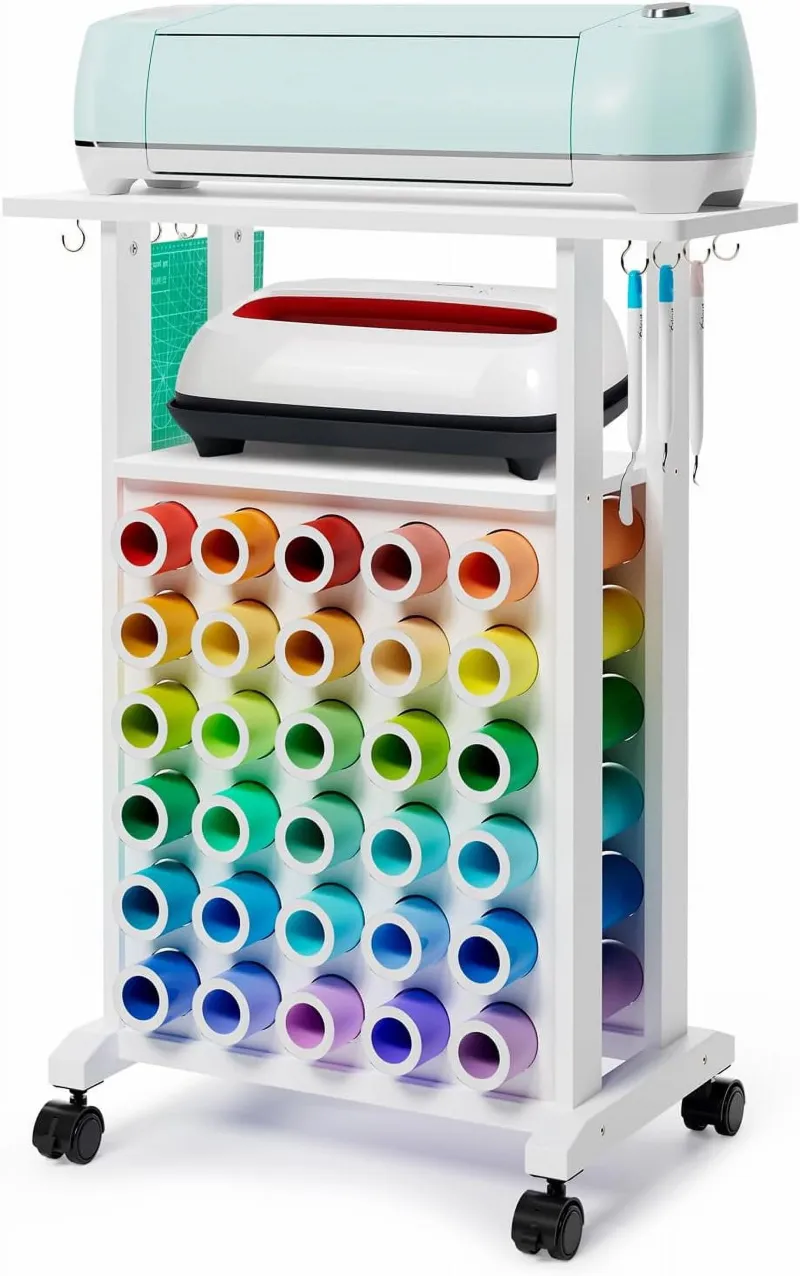
Photo: cricut maker small business niche products flat lay craft table, via i5.walmartimages.com
Here's something nobody tells you when you first start selling Cricut projects: the most popular product categories are also the most crowded. Personalized tumblers, custom name signs, iron-on shirts — they're everywhere. That doesn't mean you can't succeed in those spaces, but it does mean you're fighting for visibility against thousands of established sellers with hundreds of reviews.
What if you didn't have to fight that hard?
There are corners of the market where Cricut makers are finding real traction with far less competition. These aren't obscure hobbies with five customers nationwide — they're legitimate, growing demand areas that just haven't been flooded yet. Here are seven worth paying attention to.
1. Custom Pet Accessories
Americans spent over $147 billion on their pets in 2023, and that number keeps climbing. The pet accessory space — especially personalized pet gear — is a sweet spot for Cricut makers because buyers are emotionally invested and willing to pay a premium.
Think beyond the obvious pet bandana (though those do sell). Cricut makers are finding success with custom pet food station mats, personalized leash hooks, engraved pet memorial signs, and iron-on patches for dog harnesses. The key is pairing personalization with quality materials. Pet owners notice the difference, and they'll come back — and refer their friends — when you deliver.
Where to test it: Etsy is a natural starting point, but local farmers markets and pet expos are goldmines for direct sales and immediate feedback.
2. Niche Home Organization Systems
Home organization had a massive moment during the pandemic and it hasn't slowed down. But here's the thing — most of the organization content you see on social media features generic labels from big-box stores. People want something that actually matches their kitchen, their pantry, their aesthetic.
Custom label sets, drawer organization inserts, pantry canister labels, and laundry room decals are all strong sellers. The real opportunity is in creating cohesive systems rather than individual pieces. A complete pantry label set at $35-45 is a much easier sell than individual labels at $3 each, and the profit margin is considerably better.
Pro tip: offer multiple colorways and font styles so buyers feel like they're getting a customized product even when you're working from a template.
3. Corporate and Small Business Gifting
This one is genuinely underserved. Companies — especially small and mid-sized businesses — spend real money on branded gifts for clients, employees, and events. And unlike individual consumers, they often buy in bulk.
A local real estate agency might want 50 custom closing gift bags. A boutique law firm might want personalized leather-look coasters for their conference room. A startup might need branded tote bags for a recruiting event. These are not one-off $12 sales — these are $200, $500, even $1,000+ orders.
The barrier to entry here is simply showing up. Most Cricut sellers aren't marketing to businesses at all. A simple portfolio of your work sent to local businesses, or even a dedicated section on your Etsy shop highlighting bulk/corporate options, can open doors that most makers don't even knock on.
4. Seasonal Décor Subscription Boxes
Subscription boxes are still a strong business model, and the craft/home décor space has room for more players. Some Cricut makers have built small but loyal subscriber bases around seasonal home décor packs — think a quarterly box with custom signs, garlands, and decorative accents tied to the current season or upcoming holiday.
The beauty of this model is predictable revenue. You know roughly what you're making each month, you can plan your materials accordingly, and you build a community around your brand rather than chasing one-time buyers.
Start small — even 20 subscribers at $35/month is $700 in predictable monthly income on top of your regular shop sales.
5. Special Education and Therapy Aids
This one might surprise you, but it's a genuinely impactful niche with strong demand. Parents of children with autism, sensory processing differences, or learning disabilities are constantly searching for visual aids, routine charts, emotion cards, and organizational tools that are durable, attractive, and customizable.
Cricut is perfectly suited for creating laminated visual schedule cards, behavior charts, sensory bin labels, and classroom organization systems. Teachers and occupational therapists are also buyers in this space.
This market responds strongly to makers who clearly understand their audience. If you have personal experience in this area — as a parent, educator, or therapist — lean into that authenticity. It builds trust fast.
6. Wedding and Event Stationery Beyond the Big Day
Custom wedding items are already competitive on Etsy, but zoom out a little and you'll find adjacent event markets that are much less crowded. Quinceañera décor, Bar and Bat Mitzvah signage, graduation party personalization, retirement celebration items — these are all significant life events where families want something special and personalized.
These buyers tend to be less price-sensitive than your average Etsy shopper because the event is emotionally significant. They're also often looking for someone who specializes in their specific celebration, which means a focused shop or product line can stand out easily.
7. Realtor and Home Services Marketing Materials
Real estate agents, home stagers, interior designers, and home services businesses (think: cleaning companies, landscapers, home inspectors) all need branded materials on a regular basis. Custom yard signs, open house boards, branded gift bags, and client appreciation gifts are all things these professionals spend money on.
The advantage here is repeat business. A realtor who loves your custom closing gift bags is going to order from you every single time they close a deal. Build relationships with two or three agents in your area and you've got a reliable revenue stream that requires almost no marketing after the initial connection.
How to Test a New Niche Without Going All In
Before you pivot your entire shop, test the waters. Make three to five products in your target niche, photograph them well, and list them. Give it 30-60 days and see what kind of traffic and conversions you get. You can also post the products in relevant Facebook groups or subreddits and gauge the reaction before investing heavily in materials.
The makers who find success in these spaces aren't necessarily the most talented — they're the ones who spotted an unmet need and showed up consistently. Your Cricut is already capable of serving all of these markets. The only question is which one you want to explore first.